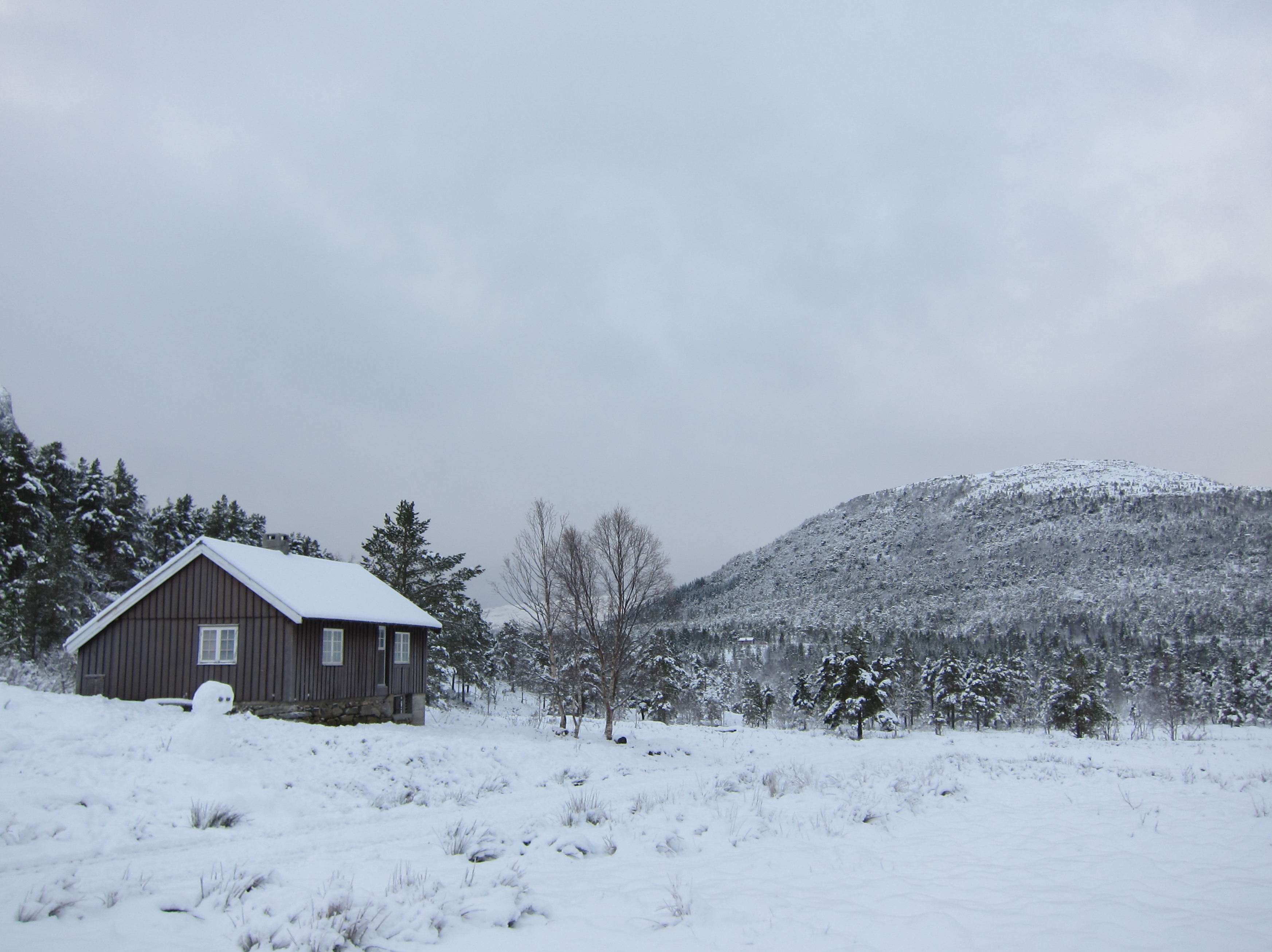
Owners often find a musty smell, damp corners, or even surface mould when they open a cabin in spring, despite having sealed it carefully the previous fall. The cause is usually not a leak. It is moisture that was already inside, with no way to leave a closed building.
Where the moisture comes from
Several sources add water to the air inside a shut cabin:
- Damp air sealed in when the cabin was closed.
- Moisture rising from the ground beneath a cabin without a vapour barrier or with an open crawlspace.
- Water vapour released slowly from wood, fabrics, and stored items.
- Air that leaks in, cools against cold surfaces, and leaves its moisture behind as condensation.
Why cold surfaces matter
Air can hold more water when it is warm than when it is cold. When indoor air meets a cold surface, such as a single-glazed window or an uninsulated wall, it cools and can no longer hold all its moisture. The excess condenses on that surface. This is why condensation tends to appear first on the coldest parts of a cabin, and why insulation and moisture are linked.
The same air sealing that saves heat can trap moisture
Tightening a cabin against drafts reduces heat loss, but it also reduces the accidental ventilation that once let moisture escape. A tighter building needs a deliberate plan for airflow, not just sealing.
Managing airflow
The aim is to let moisture leave without throwing away heat needlessly. A few practical habits help:
- Air the cabin out fully on dry days during use, opening windows on more than one side to create cross-flow.
- Keep crawlspaces and any ground beneath the cabin covered and ventilated according to local practice.
- Avoid storing damp items, firewood, or wet gear inside over long closures.
- Leave interior doors and cupboards open during a long close-up so air is not trapped in pockets.
During winter closure
For a cabin shut for months, the goal is to start dry and stay dry. Removing obvious moisture sources before closing, and allowing a small, controlled amount of ventilation where practical, reduces the chance of opening up to a damp interior in spring. The right balance depends on the building and the local climate.
When to look closer
Persistent damp, staining that returns each year, or a smell that does not clear with airing can point to a leak, a ground-moisture problem, or a ventilation shortfall that simple habits will not fix. In those cases a qualified contractor familiar with the local climate is the appropriate reference.
General guidance on moisture, ventilation, and healthy housing in Canada is published by CMHC, and energy-related ventilation guidance is available from Natural Resources Canada.